

Fellini Blog
June 23 2026
Learning Spanish in Havana: Sofía's Story
So I wrote something on this blog a while back about some workshops they run at Fellini. Back then I mostly talked about dance classes, cultural events, experiences - you know, all that stuff that gives the place its vibe.
I didn't get into the Spanish classes for a pretty simple reason: Spanish is my first language, so me being a student there? Didn't really make sense.
But then over time I've met quite a few people who do come to Havana exactly for that - to learn or polish their Spanish while actually living in the city.
One of them is Sofía.
A personal reason to come back to Cuba
And some members of her family have been residing in Cuba for a few years now. So even though she wasn't born on the island, it's still part of her family's story
Last she was here was only for a week, a few years ago. This time she chose to lengthen her visit.
She said, "I wanted to come back and be with my family," she told me. "And also, like, take the chance to study Spanish."
She is considering beginning a master's degree after just finishing a political science degree. She requires this advanced Spanish certificate-C1 or C2-to study in Spain. She reasoned then that she might improve her Spanish during her stay in Havana.
Beyond Spanish lessons
Though Sofía's Spanish was already reasonably good-about B2, I guess-most of what she knew came from simply picking it up, like informally at home.
"I always spoke Spanish with my family," she adds, "but you know I never really sat down and researched it"
Taking classes changed that a little.
For her, one of the things that's helped the most is learning to look at the language she already spoke almost without thinking.
The challenge of Cuban Spanish
Something Sofía mentions - and a lot of foreign students notice when they get to Cuba - is that the Spanish on the island can be tricky even if you already know Spanish.
"The Spanish language itself wasn't the hard part," she says laughing. "The hard part was getting used to Cuban Spanish."
The fast way people talk, local expressions, and certain words that are very Cuban can throw you off at first.
But being exposed to that all the time? Yeah, that also speeds up learning. I mean, listening to real conversations on the street, in a café, or at a cultural event - that ends up being a big part of it.
Living Havana while you learn
Besides classes, Sofía has used her free time to walk around the city.
This stay has been different from her earlier visits - mostly because now she's got more time to meet people and do cultural stuff.
For example, she decided to take some salsa lessons.
"I'd never officially learned to dance salsa before," she told me. "I mean, I'd danced a little here and there, but taking actual lessons? Really fun."
She's also gone to language exchange meetups that she found through social media and from friends recommending stuff.
At one of those events she ended up meeting several people - she's now pretty close friends with them, actually.
"I was surprised to find Cubans who spoke multiple languages, even German," she remembers.
Those kinds of encounters show another interesting side of the city, you know? Havana is also a place where cultures meet.
Talking to people: the real immersion
Talking to people: the real immersion
If there's one thing Sofía keeps coming back to when she talks about learning Spanish in Cuba, it's that you really gotta talk to people. Like, actually talk.
For her, that's the real learning.
A lot of travelers come to a country and just stay inside tourist bubbles, or only hang out with other international students. That might be comfortable, sure, but it also limits how much you really get to know a place, you know?
"You can come, stay in a hotel, and do organized stuff," she says.
That's why her advice for anyone who wants to learn Spanish - in Cuba or anywhere else - is pretty simple: lose the fear.
Just talk, make mistakes, and try again.
"When I first got here I felt embarrassed to speak because I didn't understand everything," she admits. "But if you want to learn a language, you can't be afraid of messing up."
Learning a language is also living it
Learning Spanish finally goes beyond grammar or vocabulary. It's also about listening to stories, sharing moments, and you know how the language gets lived day to day.
Right now, Sofía's doing exactly that: speaking, listening, and living Spanish in Havana.
And maybe that's the most natural way to learn any language.
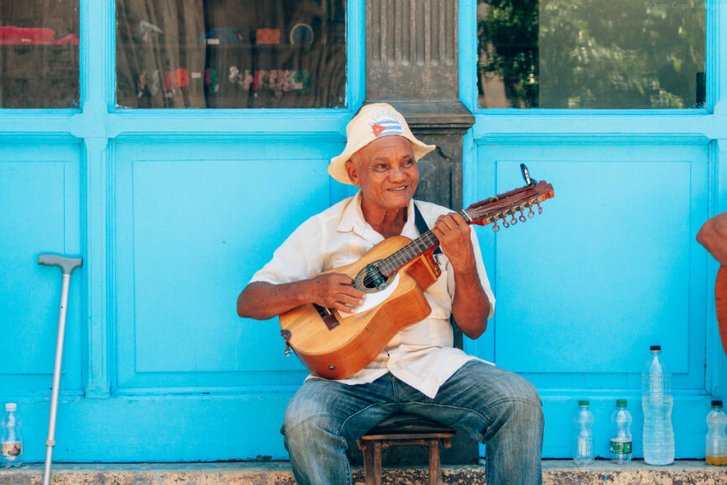
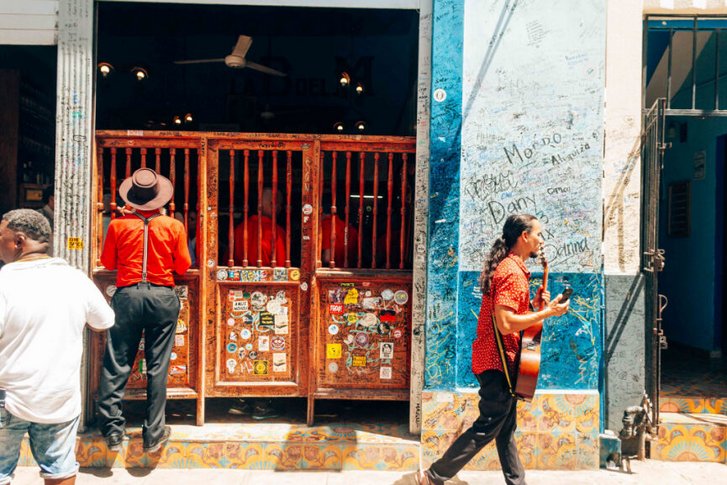
Tips for traveling to Cuba and learning Spanish
Ideas for visiting Cuba and studying Spanish
From what Sofía claims and from what many visitors to the island have reported, here are a few suggestions that could make the trip much better:
- Keep an open mind. Traveling to Cuba can appear different than other tourist destinations. Often, the most fascinating things result from impromptu conversations with strangers.
- Speak with the neighbors or locals. Interacting with others is among the best methods of improvement. Typically, rather candid, Cubans also profit from straightforward conversation. Music, dance, art-those all permeate daily life in Havana. Participating in cultural events or taking dance classes? Additionally a means of learning, you see?
- Don't be afraid of making mistakes. Learning a language is honestly a lot of stumbling. Every dialogue, though, boosts your confidence and improves your linguistic fluency.
- Investigate outside of the attractions. Many of the greatest experiences come when you just stroll around inquisitively, stumble across some cultural event, or have a conversation with somebody.
What Studying in Cuba Really Offers
There was something Sofía mentioned during our conversation that stuck with me, something I hadn't thought about before.
Choosing Cuba wasn't just about finding Spanish courses near for her.
This was an intentional choice.
She actually could have learned anywhere. A more expected location, maybe even more convenient in some respects. She sought something more in line with the language's reality, though.
"I sought a Cuban experience," she said. Not just lectures but also the setting around them.
And that changes all.
Learning Spanish in a city such Havana entails not isolating the language from its context. You see how people use it when they speak about daily life, when they laugh, when they gripe, when they spin tales.
That aspect? Textbooks won't teach it. Or in any at least not in the same way.
Furthermore intriguing, she noted that many people outside of Cuba are reluctant to visit because of what they see or hear from far. For her, though, seeing her family here changed her outlook.
"I knew I wanted to come now," she remarked. "Not later."
Her choice also betrays a timing issue, a realization that especially when they include those you care about, events like this aren't always postponed.
From intuitive speaking to deliberate study
Sofía already spoke Spanish before starting classes.
In a really natural, nearly automatic way, nevertheless.
Most of it came from family talks and regular interactions.
Rather than "teach her Spanish from zero," the courses helped to rearrange what she already knew.
She now focuses on organization.
To errors she had been making before, of which she was unaware.
"I can examine it more now," she added. "Before, it would come out naturally."
That change from speaking without consideration to understanding what you're saying is actually a major move.
Particularly if you want anything like a C1 or C2 certificate.
That level calls for more than simply speaking.
It comes down to accuracy.
Improving one's composition. Arrangement of clearly expressed concepts. Knowing grammar not just guessing it. Even spotting minor patterns you once ignored.
Final Comment
One little thing I should clear up is that this whole chat with Sofía occurred solely in Spanish. English first, then shortcuts. And she dealt with it elegantly. That alone revealed more to me than any certificate might.
Thus, take it from her-you don't have to be perfect-if you're pondering learning Spanish in Havana. All you have to do is get started. Make kesalahan. Chuck about them. Dance just a bit.
Oh, and hey; if you haven't read my other blogs, you can check them out right here. There's more on dance classes, cultural events, and the whole Fellini vibe
Studying Spanish? Grammar is not all there is. It is living it.
Related Blogs